

Relocating to the DMV: Exploring Communities and Housing Options
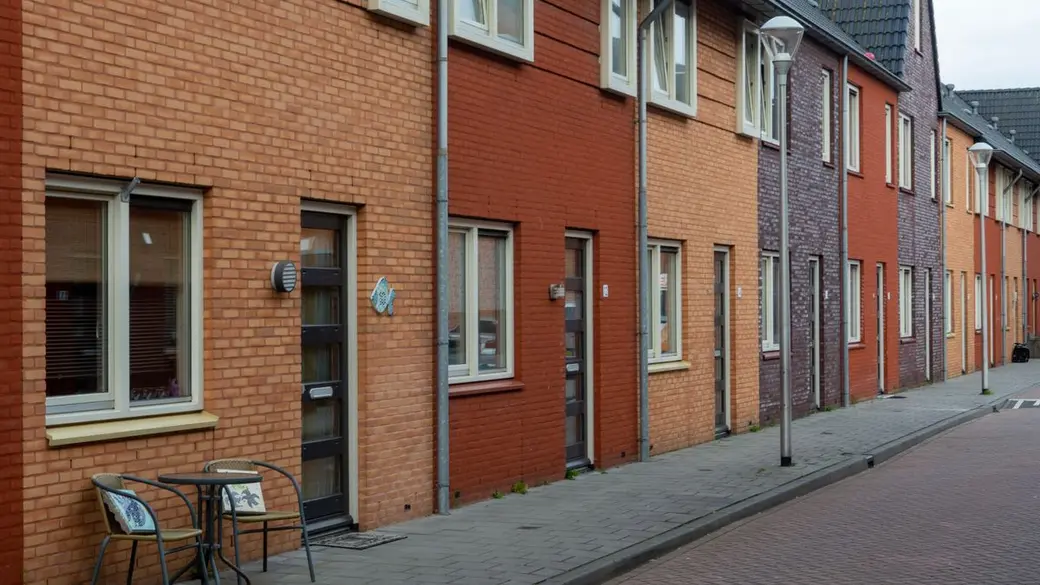
Relocating to the Washington DC region — the DMV — is less about choosing one city and more about choosing a daily rhythm. The region spans the District, Maryland suburbs, and Northern Virginia, and the difference between two neighborhoods a few miles apart can come down to how you get to work, how much yard you want and how often you expect to drive.
This guide is for the buyer who is planning a move from out of state, often on a deadline, and needs a practical way to narrow the map before the first tour.
Step one: anchor the map to your duty station or job
Start with where you need to be on a weekday morning. The Pentagon, Joint Base Andrews, Fort Belvoir, Quantico, Joint Base Anacostia-Bolling, Arlington and downtown DC each pull the commute in a different direction. Then layer in the routes: Metro lines, VRE, commuter bus, I-495, I-95, I-66 and the George Washington Memorial Parkway.
Do not rely on a map's distance estimate alone. Ask what the drive looks like at 7:30 a.m. and what the Metro walk is from the front door. Those two answers will eliminate more homes than any other factor.
Step two: choose the type of community
Historic and walkable
Alexandria's Old Town and Del Ray, and DC neighborhoods like Capitol Hill and Georgetown, offer character, sidewalks and easy access to shops. Expect older homes that reward a careful inspection, and plan for parking and renovation rules.
Suburban with space
Springfield, Burke, Manassas, Woodbridge and Waldorf tend to offer more square footage, yards and newer construction. The trade-off is usually a longer commute and more reliance on a car.
Transit-oriented and newer
Condominiums and townhomes near Metro stations and larger employment centers appeal to buyers who want low maintenance and a shorter commute. HOA dues and rules are part of the budget conversation.
Step three: build a realistic monthly budget
List the full monthly cost, not just the mortgage principal and interest: property taxes, homeowners insurance, HOA fees, utilities and any commute costs such as parking or transit passes. A buyer approved for a certain amount should still test the payment against their actual life.
Our mortgage calculator is a quick way to see how price, down payment and rate change the monthly number.
Step four: plan the VA loan questions early
Many of our clients are service members and veterans. If you plan to use a VA loan, talk with your lender early about entitlement, funding fees, property condition requirements and whether a condominium project is approved. Getting these answers before you shop prevents surprises after you find the right home.
Step five: use a local guide before you arrive
When you are moving from another state, video tours, neighborhood walkthroughs and honest conversations about commute and noise matter as much as listing photos. A local agent can preview a home in person, send you a walkthrough, and tell you what the street is like on a Tuesday morning — things you cannot learn from a listing.
We can also help you sequence temporary housing, a storage window and a closing date so the move does not stack on top of itself.
Step six: compare before you commit
Tour at least a few different community types before you narrow down. It is common for buyers to arrive expecting one kind of neighborhood and leave preferring another. Walk the block, visit at rush hour if you can, and check the practical details: parking, school boundaries, flood zones and the condition of roofs and systems.
Moving to the DMV? Start with a conversation
MilVets Home Team serves buyers and sellers within about 50 miles of the Pentagon, and we work with clients relocating from across the country. Tell us your timeline, your commute and your must-haves, and we will send back a short list worth your time.
Explore homes on our MLS search, check current market activity on our market snapshot page, or contact us to plan your move. Call +1 (703) 819-4655 or email don@milvets.us.
Categories
Recent Posts